
Direct answer
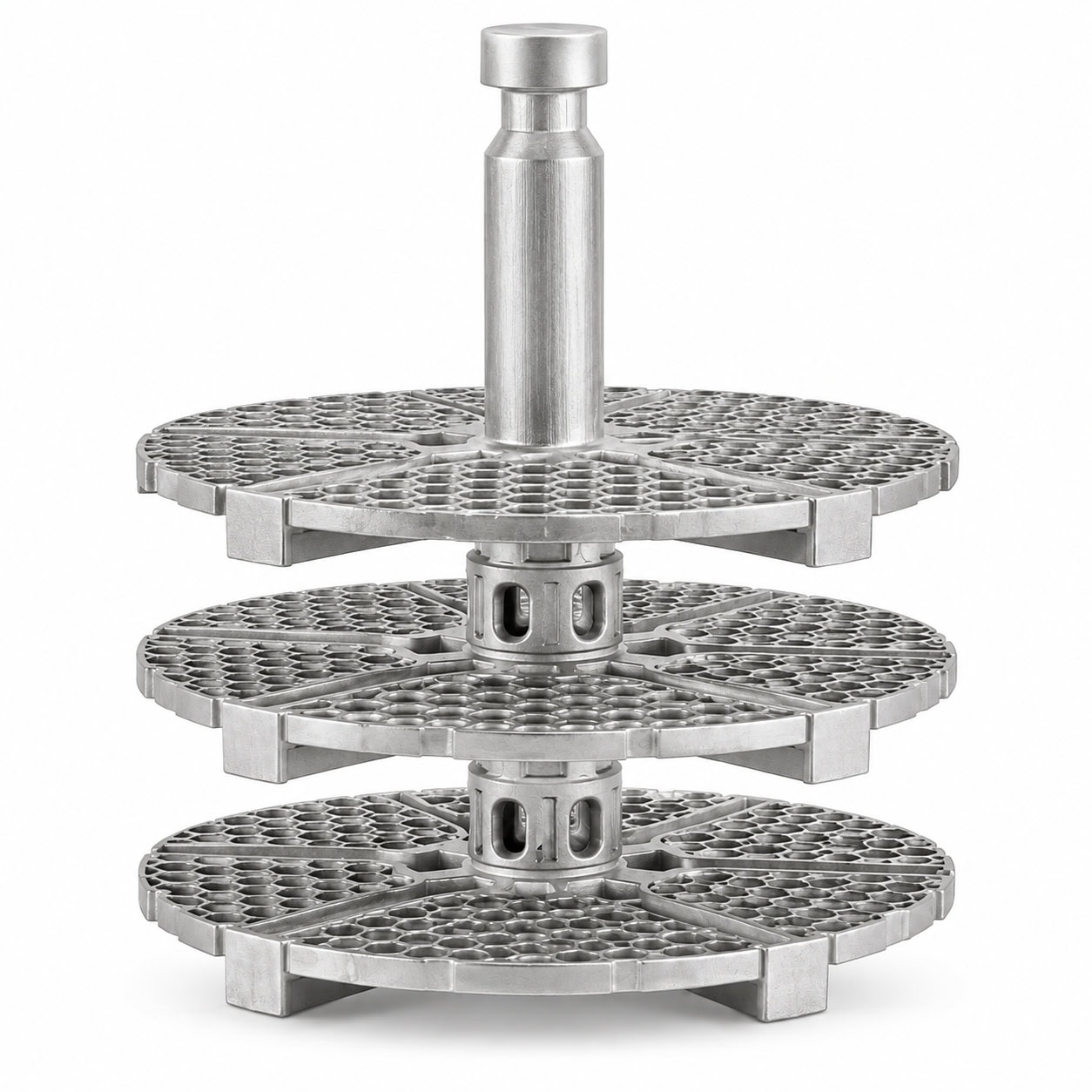
Design the fixture around three separate actions: locate the workpiece, support it, and release it. Locating points establish repeatable position; supports carry the load; release features prevent the workpiece from binding after handling or thermal movement. When these functions are mixed together, a fixture can be accurate when empty but difficult to load, unload, or inspect. Start with the workpiece datums and the actual furnace path, then check contacts, clearance, and operator access.
Locate without trapping
Mark the surfaces that define the workpiece position and the surfaces that must not be touched. Use as few locating contacts as the design allows while still controlling the required movement. Then check whether the workpiece can be inserted and removed along the real operator or lifting path. If a contact mark appears on a failed tool, record its location and shape; it may show unintended loading rather than an intended datum.
Support the load where it actually enters
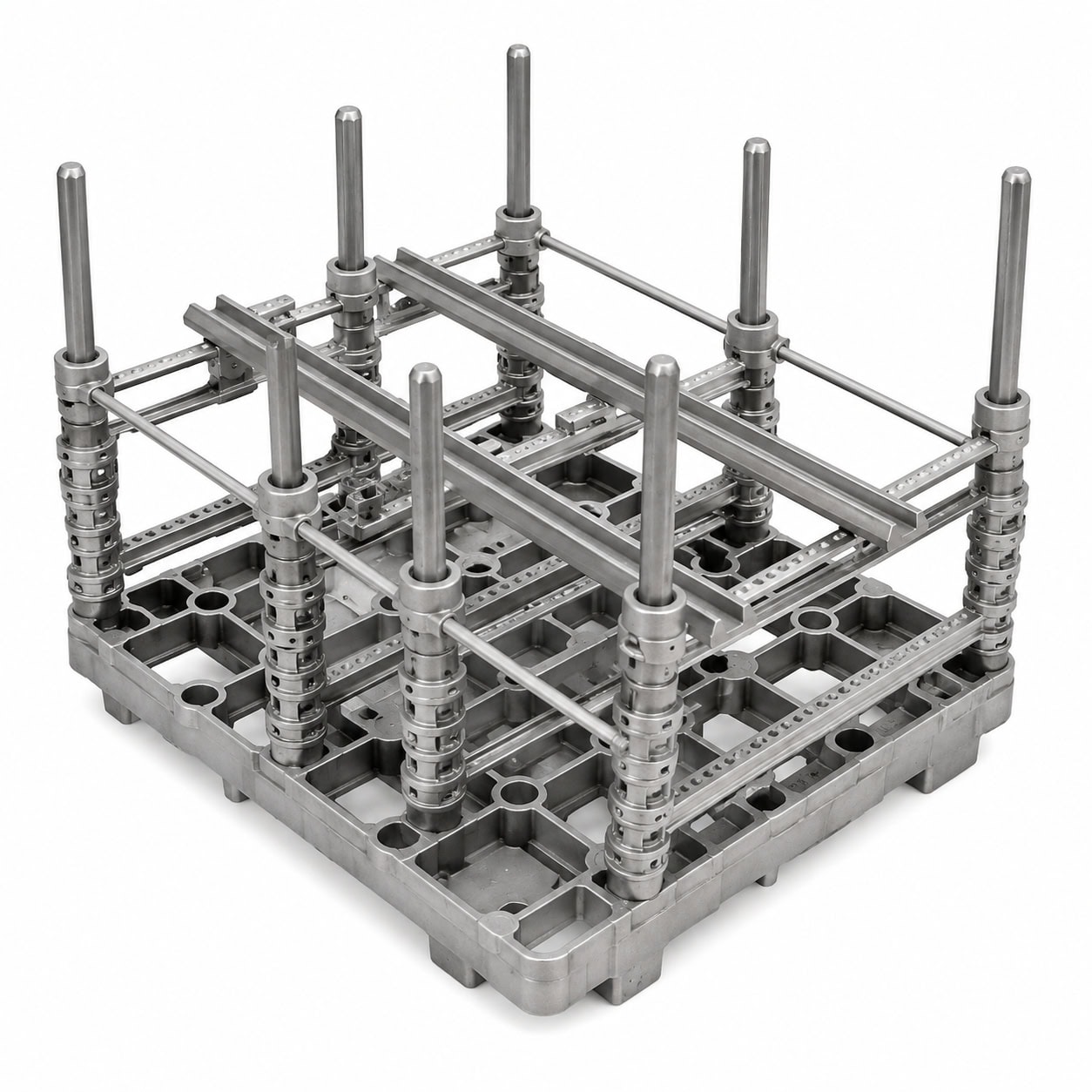
Draw the load path from the workpiece through the fixture and into the furnace support. Note any cantilevered areas, concentrated contacts, or parts that hang beyond the support. A simple annotated sketch can reveal why one corner wears faster than the others. If the fixture has warped, compare the current shape with the original drawing before changing the support layout.
Make release an explicit requirement
Release access includes tool clearance, hand clearance, lifting access, and enough space for a workpiece that has changed shape during service. Check for pockets that collect scale or debris, narrow gaps that pinch, and contact faces that can become polished or rough. The best release design is the one an operator can use consistently and inspect easily.

What to include in a design review
Send the workpiece drawing, fixture drawing, loading sequence, furnace interface, failure or sticking history, and the required inspection datums. Identify which features are “must hold,” which are “reference only,” and which are still to be confirmed. ECOOSUN can review these inputs for a custom casting requirement through Heat Treatment Fixtures or contact-us.
RFQ information checklist
For a useful first review, send the drawing or used sample, key dimensions, furnace type, load, operating cycle, visible failure evidence and any required inspection points. Final material and acceptance decisions are confirmed for the specific project.
Buyer decision point
| Input to confirm | Why it matters |
|---|---|
| Drawing or used sample | Defines the geometry and replacement reference. |
| Furnace interface and clearance | Confirms fit, handling and movement inside the furnace. |
| Load and operating cycle | Supports review of loading, thermal expansion and service conditions. |
| Failure record and inspection requirement | Connects the replacement scope to the observed problem and acceptance check. |
FAQ
What should a buyer confirm for a heat treatment fixture requirement?
Confirm the drawing or used sample, key dimensions and interfaces, furnace type and clearance, load, operating cycle, failure evidence and inspection requirements. Final acceptance criteria should be agreed for the specific project.
Can ECOOSUN review a custom heat treatment fixture requirement?
Yes. ECOOSUN can review a customer drawing or used sample and discuss casting, laboratory and inspection requirements for a custom furnace-component project. Suitability and final scope are confirmed from the supplied information.
Related Heat Treatment Fixture Resources
Use these technical guides when specifying, inspecting or replacing heat treatment fixtures for an industrial furnace:
- Custom Heat Treatment Fixtures: Buyer RFQ and Drawing Checklist
- Heat Treatment Fixtures for Repeated Furnace Cycles
- Heat Treatment Fixture Dimensional Acceptance Checklist
- Why Does a Heat Treatment Fixture Lose Alignment?
Related ECOOSUN Products
Information for a Faster Quotation
Provide alloy grade or service conditions, workpiece geometry, locating and release points, dimensions and tolerances, cycle temperature, furnace type, quantity, drawing or used sample, and inspection requirements.
Request a Custom Quote · Send Your Drawing · WhatsApp ECOOSUN

 +44 7419 144346