
Direct answer
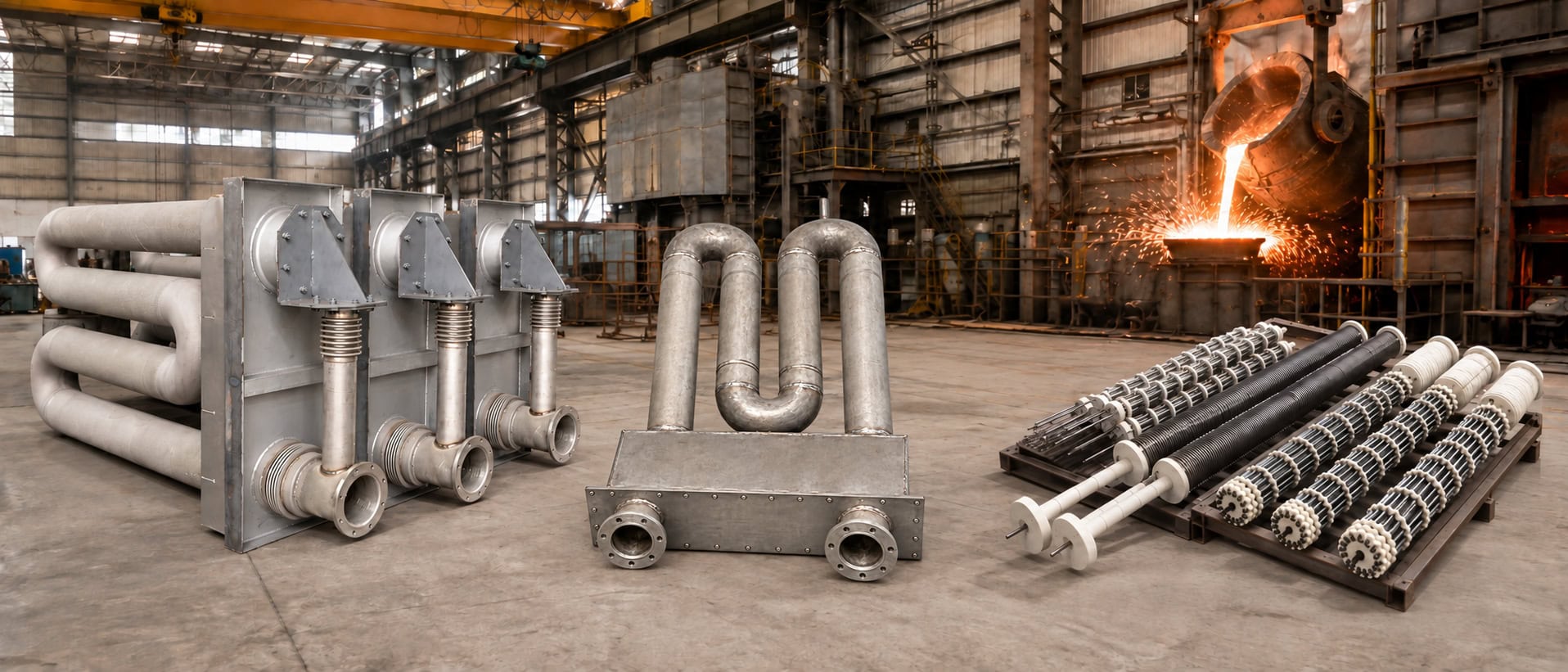
Radiant tubes are furnace components that transfer heat indirectly into the working space from a heating source. Their shape, wall condition, supports, burner or connection arrangement, and clearance from surrounding parts affect how they fit into the furnace system. A radiant tube should therefore be selected from the actual furnace layout and operating history, not from a generic tube name. Replacement evidence should include drawings or measurements, connection details, photographs, and the location and pattern of any damage.
The furnace interface comes first
Record the tube’s installed envelope, ends, supports, burner or connection features, and neighboring components. Photograph both ends and show which side faces the work zone. A tube can be dimensionally close yet impossible to install if the connection depth, support position, or access sequence is different.
What failure evidence can tell you
Mark cracks, bulging, thinning, oxidation, impact marks, and areas of contact. Record whether the damage is near an end, support, bend, or high-contact area. These observations do not prove a root cause by themselves, but they tell the supplier which operating and installation questions to ask next.
Do not use a replacement article to promise a universal service life. Actual results depend on the complete furnace, cycle, atmosphere, supports, installation, and maintenance history.
How ECOOSUN can help
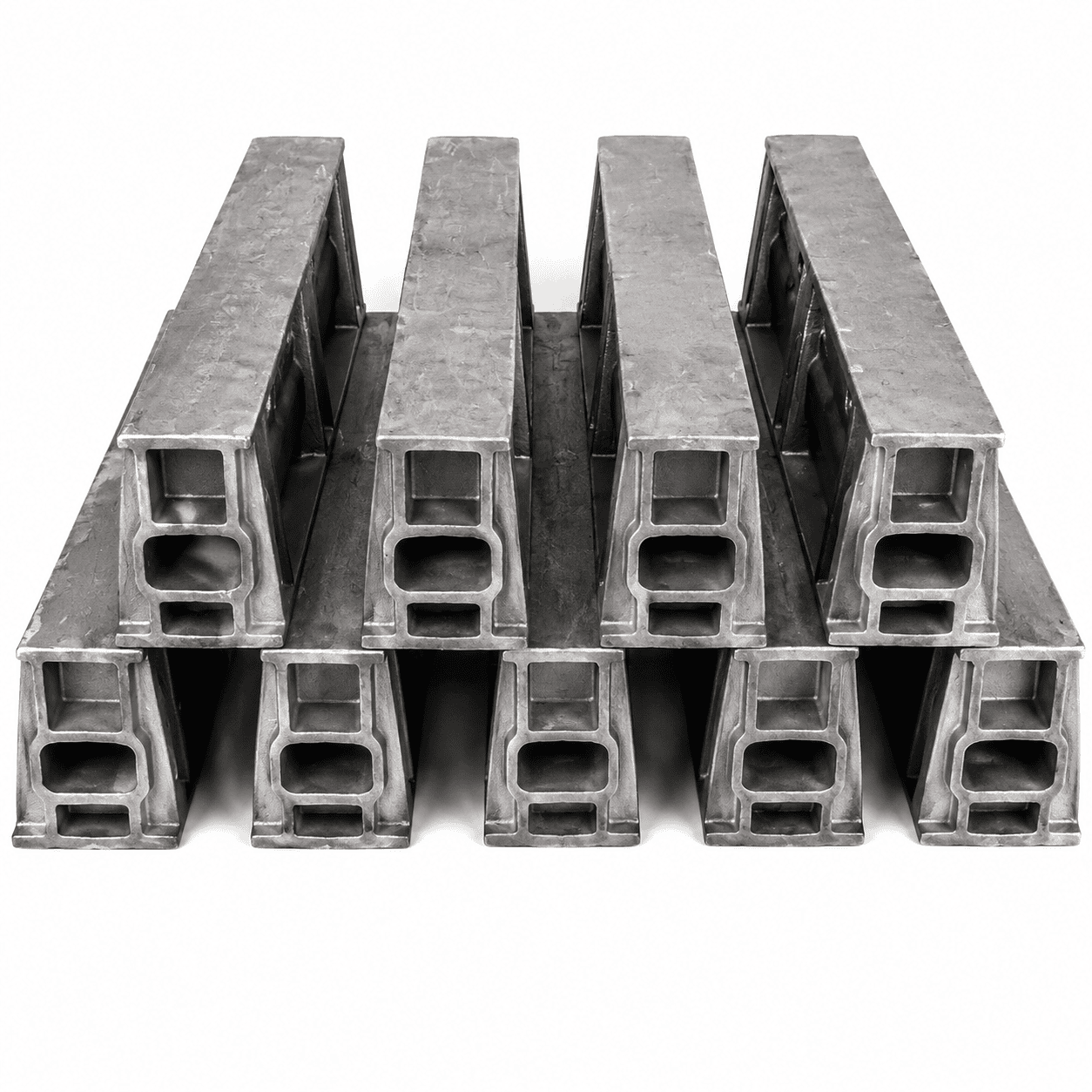
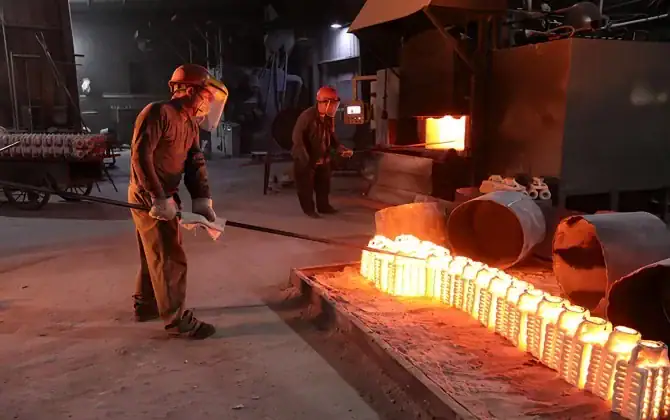
ECOOSUN serves heat-treatment factories and industrial heat-treatment furnace manufacturers and can review drawings, worn samples, operating information, engineering requirements, and inspection requirements. Its owner-confirmed capability includes custom casting, a dedicated laboratory, and broad inspection capability. Start at Radiant Tubes or use contact-us.
RFQ information checklist
For a useful first review, send the drawing or used sample, key dimensions, furnace type, load, operating cycle, visible failure evidence and any required inspection points. Final material and acceptance decisions are confirmed for the specific project.
Buyer decision point
| Input to confirm | Why it matters |
|---|---|
| Drawing or used sample | Defines the geometry and replacement reference. |
| Furnace interface and clearance | Confirms fit, handling and movement inside the furnace. |
| Load and operating cycle | Supports review of loading, thermal expansion and service conditions. |
| Failure record and inspection requirement | Connects the replacement scope to the observed problem and acceptance check. |
FAQ
What should a buyer confirm for a radiant tube requirement?
Confirm the drawing or used sample, key dimensions and interfaces, furnace type and clearance, load, operating cycle, failure evidence and inspection requirements. Final acceptance criteria should be agreed for the specific project.
Can ECOOSUN review a custom radiant tube requirement?
Yes. ECOOSUN can review a customer drawing or used sample and discuss casting, laboratory and inspection requirements for a custom furnace-component project. Suitability and final scope are confirmed from the supplied information.
Related Radiant Tube Resources
Use these technical guides when specifying, inspecting or replacing radiant tubes for an industrial furnace:
- Radiant Tubes for Annealing and Heat-Treatment Furnaces
- Straight, U-Type or W-Type Radiant Tubes
- Radiant Tube Failure: Cracking, Sagging and Oxidation
- Radiant Tube Installation and Connection Inspection Guide
- Industrial Furnace Radiant Tubes: Material and Service Life
Related ECOOSUN Products
Information for a Faster Quotation
Provide alloy grade or service conditions, straight/U/W form, tube dimensions, burner and connection details, operating temperature, furnace zone, quantity, drawing or used sample, and inspection requirements.
Request a Custom Quote · Send Your Drawing · WhatsApp ECOOSUN

 +44 7419 144346