
Carburizing introduces carbon into the surface of suitable steel at elevated temperature; subsequent treatment develops the required hardened case. Case-hardening processes are selected for a material and product requirement, not by carrier name alone. Buyers should identify the approved treatment route, furnace environment, workpiece family and load arrangement before comparing equipment or heat-resistant components. This guide focuses on the procurement inputs that help suppliers quote the correct scope without promising a metallurgical result.
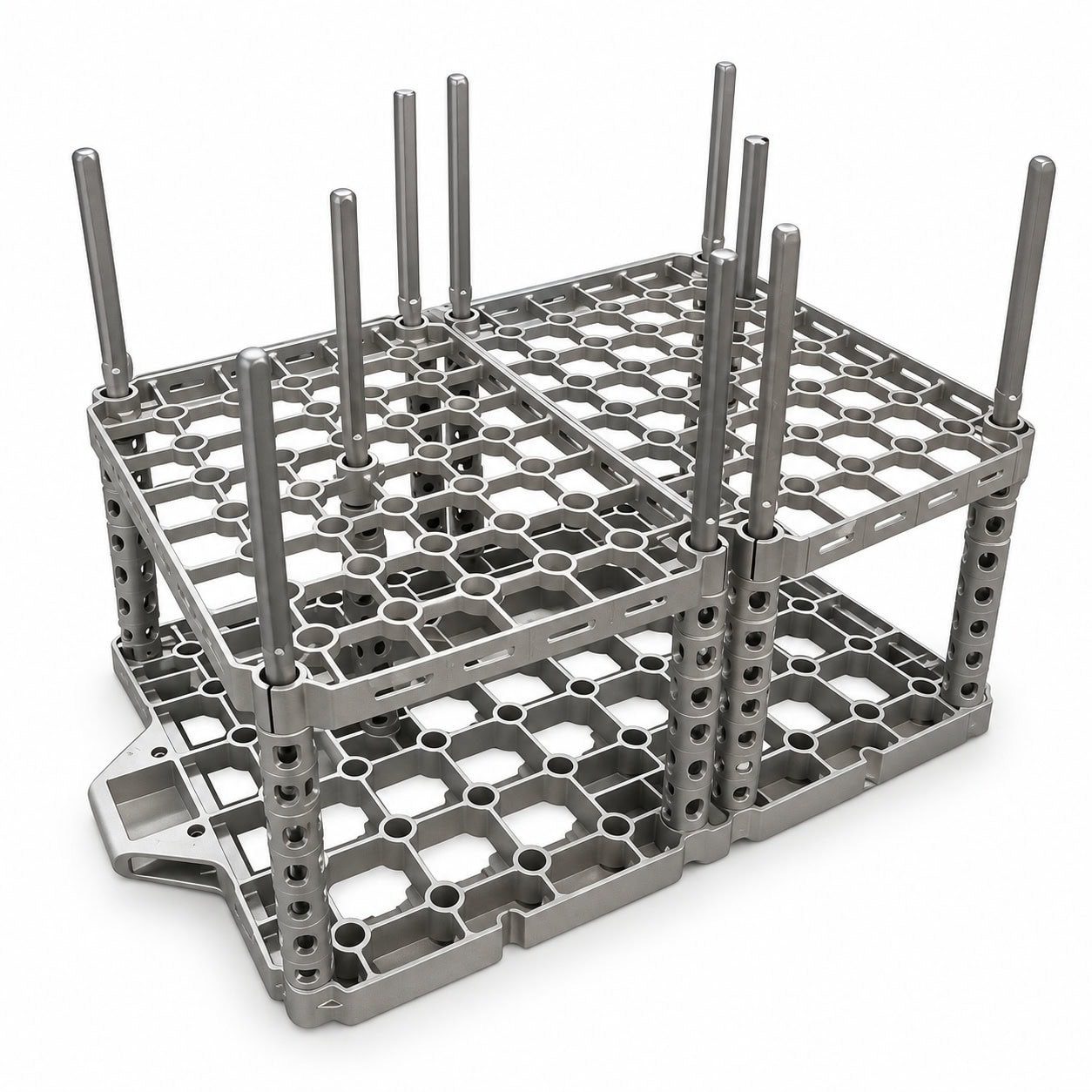
For retained batch loads, review heat treatment baskets against the smallest parts, load density and contact restrictions.
For carburizing, specify the process route and cycle information provided by the heat treater, together with workpiece material, dimensions, batch mass and load pattern. Identify contact-sensitive surfaces and whether parts may touch, stack or need individual positioning. This determines whether a basket, tray or dedicated fixture is appropriate for review. A component supplier can assess geometry and material scope, but the process owner must approve the treatment recipe and case requirements.
Case Hardening
Case hardening develops a hard surface region while retaining a different core condition; the selected route determines the resulting case. A case hardening RFQ should distinguish the required surface condition from the carrier design. State the product specification, part drawing, accepted orientation, batch range and any dimensional constraints after treatment. Ask suppliers to identify which details are assumptions and which are confirmed. This avoids treating a furnace or fixture quotation as proof that the workpiece will meet hardness, depth or distortion targets.
Carburizing Furnace
A carburizing furnace provides the conditions needed for a specified carbon enrichment cycle and its associated load handling. When evaluating a carburizing furnace, review usable chamber space, atmosphere controls, charging arrangement and the tooling that accompanies the equipment. Ask the furnace builder to show the load envelope and carrier interfaces. If an existing carrier is being replaced, provide its drawing and the workpiece arrangement rather than relying on external dimensions. ECOOSUN supplies custom carriers and furnace components, not complete furnaces.
Low Pressure Carburizing
Low pressure carburizing introduces carbon using a controlled low pressure process, commonly using staged carbon supply and diffusion. For low pressure carburizing, send the approved process stages and the load arrangement used in the equipment. Identify the part family, quantity per batch, support locations and any contact restrictions. Do not assume that a carrier suitable for another carburizing route is automatically suitable here. The furnace owner and process team should confirm compatibility; the component RFQ should state the specific conditions for review.
Vacuum Carburizing
Vacuum carburizing is commonly used for low pressure carburizing routes; the actual pressure and cycle specification should be named explicitly. A vacuum carburizing inquiry should specify the actual chamber, load carrier, part geometry and process sequence. If the same carrier serves multiple recipes, list each permitted cycle and loading case. Confirm how parts are located and removed after treatment. These details allow a supplier to review the component against its mechanical and thermal duty without making claims about the treated workpiece result.
Carbonitriding
Carbonitriding introduces carbon and nitrogen into suitable steel surfaces, followed by the specified hardening sequence. For carbonitriding, state the approved process route and distinguish it from other surface treatment requirements in the RFQ. Provide the material specification, part geometry, batch loading and the environment that the carrier experiences. If your furnace line also runs carburizing or nitriding cycles, list the separate approved cases. A component review should use documented duty rather than infer interchangeability from similar process names.
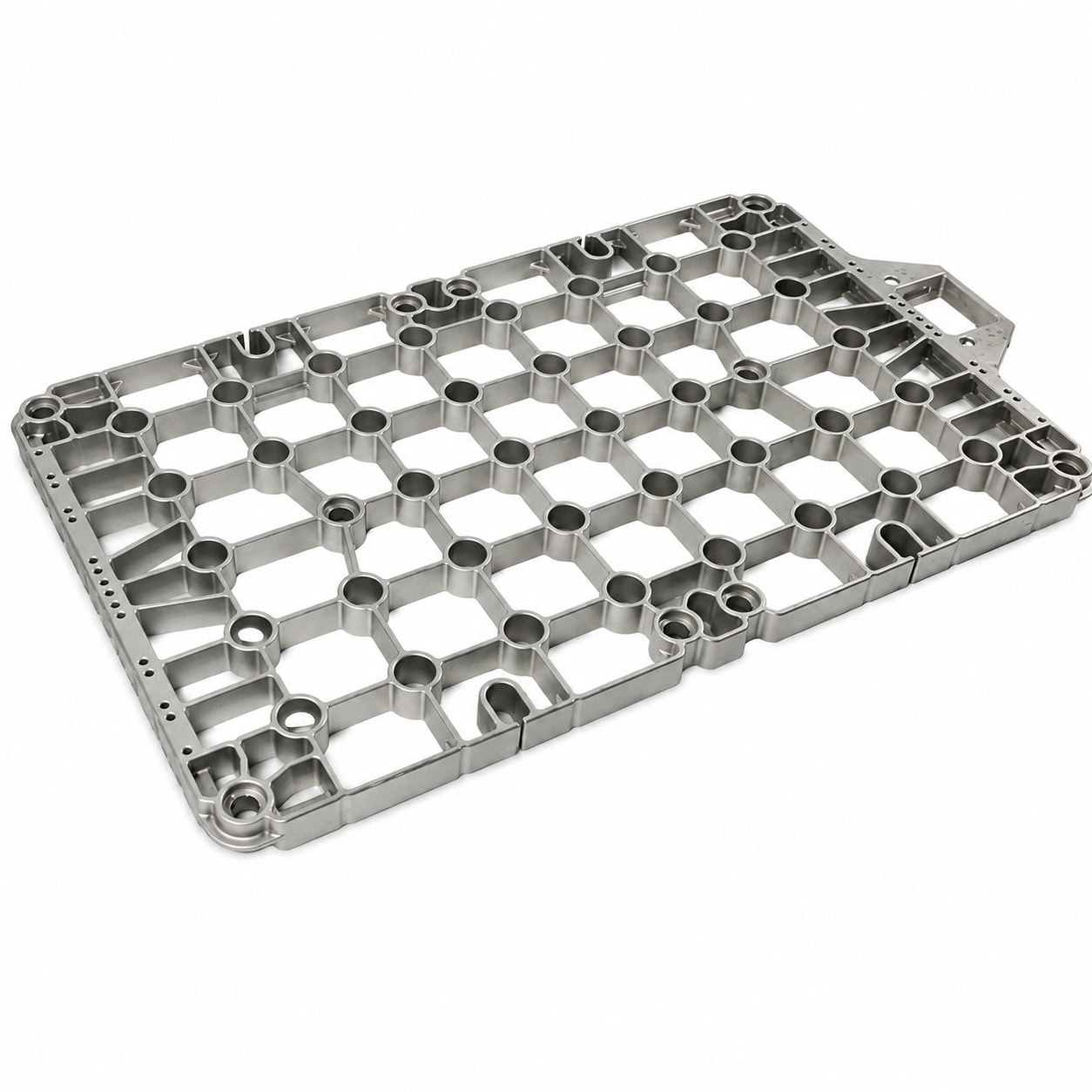
For a drawing-based component review, send the workpiece family, approved process and atmosphere, batch load, carrier dimensions, support points and inspection requirements. ECOOSUN can assess a custom tray, basket or fixture against that information; the heat treater remains responsible for approving the treatment specification and product results.
Questions buyers ask
Are low pressure carburizing and vacuum carburizing separate carrier specifications?
The names can describe overlapping process routes. Specify the actual furnace, pressure stages, temperature and loading case rather than purchasing two nominally different fixtures based on terminology alone.
Why does carburizing load arrangement affect fixture purchasing?
Spacing and contacts affect access to surfaces, while concentrated mass changes the carrier duty. The process team approves treatment access; the fixture quotation should identify the reviewed load layout.
Discuss a component requirement with ECOOSUN: send the drawing and operating duty. Include the required quantity and documents so the quotation identifies a reviewable supply scope.
Related component and technical pages: heat treatment baskets | heat treatment trays | heat treatment fixtures | heat treatment furnace parts selection guide

 +44 7419 144346