
Direct answer
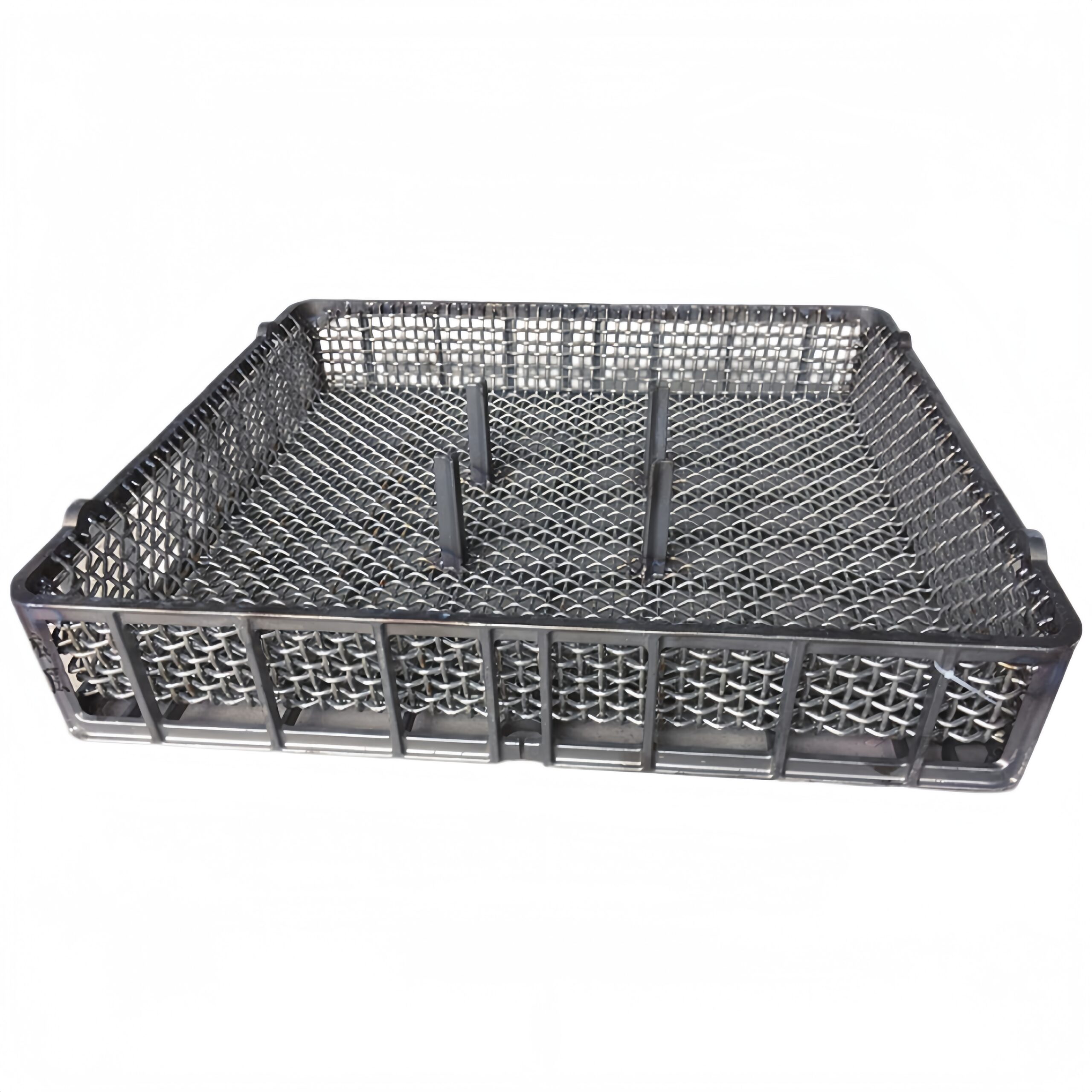
Heat treatment basket design should be reviewed from the workpiece arrangement, supported load, support path, lifting method, furnace clearance and operator access. A basket must work through loading, transfer, heating, cooling and unloading, not only while sitting in the furnace. For a custom basket or replacement, provide the drawing or worn sample, dimensions, load information, furnace interface, atmosphere, thermal-cycle details and any distortion, cracking or contact history.
Load path and workpiece arrangement
Show how the workpieces contact the basket and whether the load is centered, distributed or concentrated. Include stacking, spacing, separators and any surfaces that need access or circulation. If multiple batch arrangements are used, provide the range that the basket must support.
Record how the load is transferred into the basket structure and then into the furnace support or lifting tool. A basket can experience different forces during loading, lifting and transfer, so the handling method should be part of the design review.
Support, lifting and access
Mark the basket’s support points, lifting points, handles, hooks, doors and operator access areas. Check whether lifting tools can engage without contacting the workpiece or damaging the basket. Note any areas where operators need visibility or access for loading and unloading.
Access features should not be treated as decoration. Openings, braces and supports may affect circulation, weight, stiffness and contact. Any change should be reviewed against the complete application.
Clearance and thermal movement
Measure the basket inside the furnace and identify rails, posts, rollers, guides and adjacent components. Record contact marks and areas where the basket has rubbed or stuck. Provide confirmed atmosphere and thermal-cycle information so the supplier can review movement and interference questions.
Do not select a basket only by nominal width and height. Critical clearances and installed interfaces can determine whether the part is usable.
When the basket is a replacement
Photograph and measure the current basket before straightening, repairing or cutting it. Mark cracks, permanent bends, worn contact points, lifting damage and distorted corners. Compare the worn sample with the approved drawing if available.
The replacement may reproduce the approved geometry when the process is unchanged, or it may require a controlled design review when the failure, furnace or load arrangement has changed. The buyer should approve any design change.
ECOOSUN manufactures custom heat treatment baskets for heat-treatment factories and industrial furnace manufacturers. ECOOSUN can review drawings, worn samples, operating conditions and inspection requirements before a project-specific quotation. See Heat Treatment Baskets or contact ECOOSUN.
Frequently asked questions
Is basket capacity determined by size alone?
No. Capacity depends on the workpiece arrangement, load path, supports, handling and furnace interface. The actual application should be reviewed.
What should I do with a distorted basket?
Photograph and measure it before straightening. The deformation pattern may help identify the next engineering question.
Can ECOOSUN quote from a worn basket?
ECOOSUN can review a worn-sample request when the sample, measurements, photographs and application information are available.
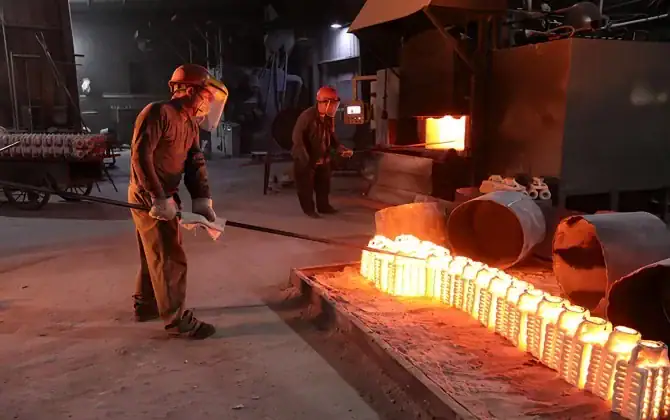
Production context: The component reference should be read together with the manufacturing and inspection context behind the furnace application.

Related Heat Treatment Basket Resources
Use these technical guides when specifying, inspecting or replacing heat treatment baskets for an industrial furnace:
- Heat Treatment Baskets: Load, Material and RFQ Guide
- How to Choose Heat Treatment Baskets
- Heat Treatment Basket Failure Analysis
- How to Replace a Heat Treatment Basket from a Worn Sample
- How to Inspect a Heat Treatment Basket Before Replacement
Related ECOOSUN Products
Information for a Faster Quotation
Provide alloy grade or service conditions, basket dimensions, expected load, operating temperature, furnace type, quantity, drawing or used sample, and inspection requirements.
Request a Custom Quote · Send Your Drawing · WhatsApp ECOOSUN

 +44 7419 144346