
Direct answer
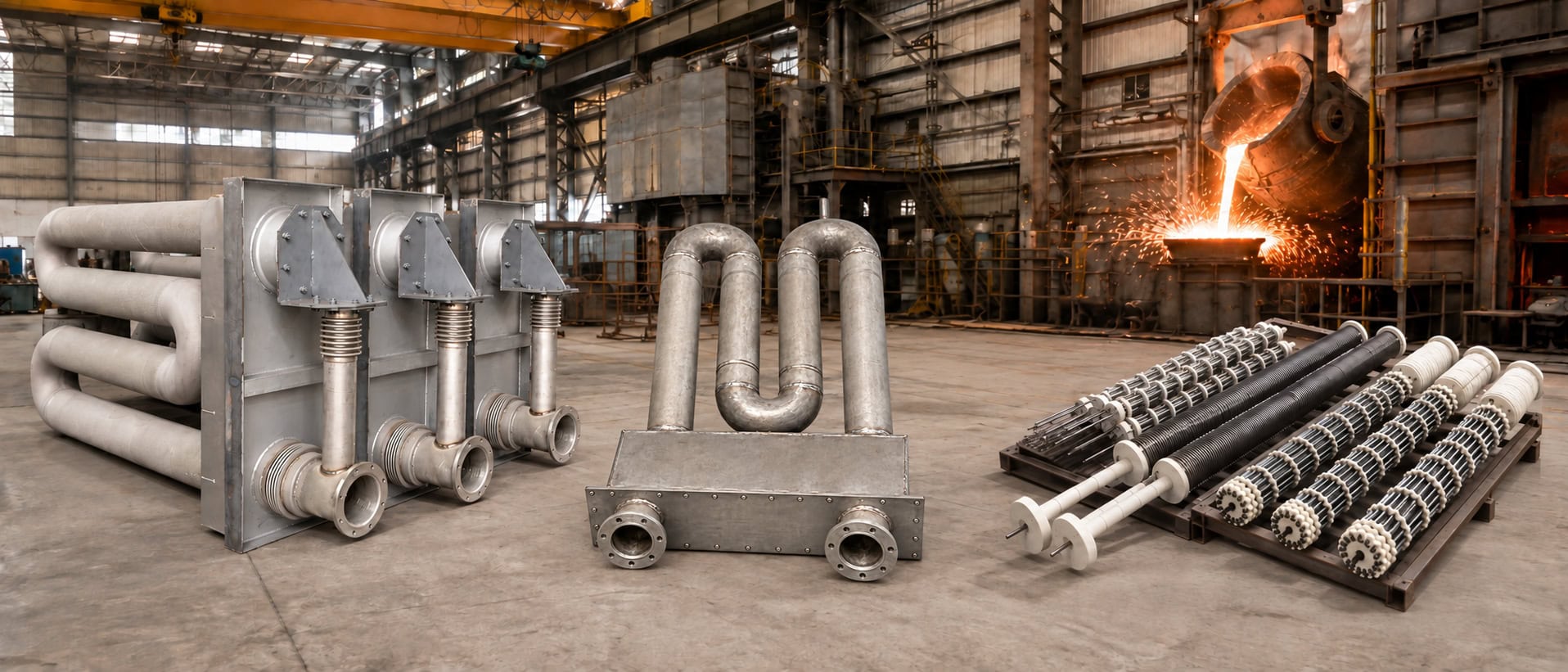
Inspect a failed radiant tube sample by preserving its orientation and recording the whole part before sectioning, cleaning, or repair. Photograph both ends, supports, bends, connections, crack or thinning locations, and any contact marks. Measure from stable reference features and add the furnace arrangement, cycle history, atmosphere, and previous interventions. A well-labeled sample helps a supplier distinguish original geometry from service damage and decide what additional inspection is justified.
Label the sample before handling
Mark the furnace side, burner or connection end, operator side, and direction of installation. Take a full-length image and close-ups of damage with a scale. If the tube is broken, keep the pieces together and label their original relationship. Record whether the sample was removed after a leak, visible crack, deformation, or another symptom.
Measure the right features
Measure overall length, end geometry, support locations, bends, and any reference diameters or wall features shown on the drawing. Measure damage length and location from a defined end. Record whether a dimension is nominal, worn, distorted, or estimated. Do not use a damaged section as the sole reference for a replacement design.
Add installation and operating context
Provide connection details, support arrangement, installed clearance, furnace position, atmosphere, cycle pattern, start-up and shutdown history, and any recent maintenance. Note contact with refractory, burner parts, supports, or neighboring tubes. This context often changes the inspection priority.
How ECOOSUN can help
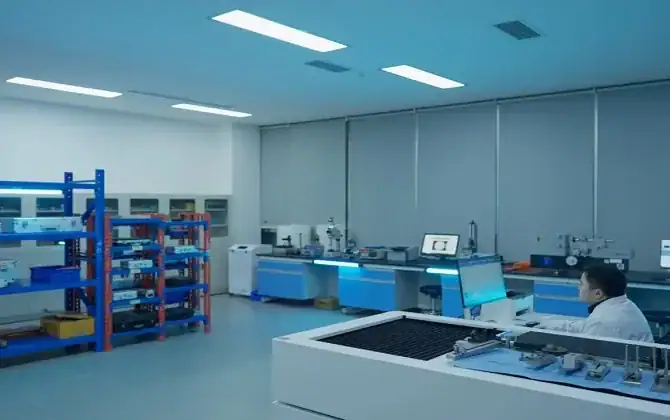
ECOOSUN can review the failed sample, drawing, operating information, and inspection requirements for a custom radiant tube. Start at Radiant Tubes or send the package through contact-us.
FAQ
What should a buyer confirm for a radiant tube requirement?
Confirm the drawing or used sample, key dimensions and interfaces, furnace type and clearance, load, operating cycle, failure evidence and inspection requirements. Final acceptance criteria should be agreed for the specific project.
Can ECOOSUN review a custom radiant tube requirement?
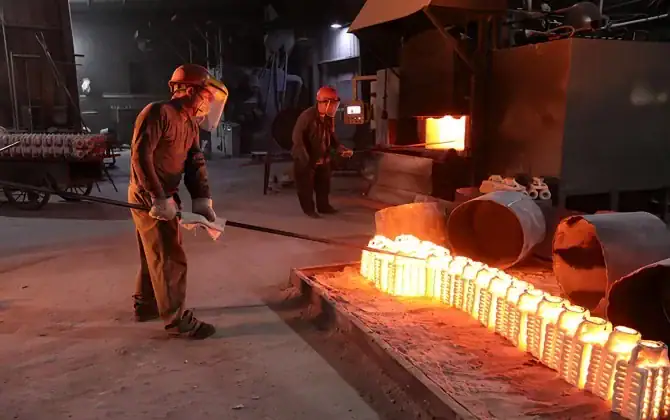
Yes. ECOOSUN can review a customer drawing or used sample and discuss casting, laboratory and inspection requirements for a custom furnace-component project. Suitability and final scope are confirmed from the supplied information.
Related Radiant Tube Resources
Use these technical guides when specifying, inspecting or replacing radiant tubes for an industrial furnace:
- Radiant Tubes for Annealing and Heat-Treatment Furnaces
- Straight, U-Type or W-Type Radiant Tubes
- Radiant Tube Failure: Cracking, Sagging and Oxidation
- Radiant Tube Installation and Connection Inspection Guide
- Industrial Furnace Radiant Tubes: Material and Service Life
Related ECOOSUN Products
Information for a Faster Quotation
Provide alloy grade or service conditions, straight/U/W form, tube dimensions, burner and connection details, operating temperature, furnace zone, quantity, drawing or used sample, and inspection requirements.
Request a Custom Quote · Send Your Drawing · WhatsApp ECOOSUN

 +44 7419 144346