
Direct answer: Radiant tubes transfer heat into a heat-treatment furnace through a burner or heating system. Selection depends on the furnace layout, burner interface, dimensions, atmosphere, operating cycle and failure history. ECOOSUN can review a drawing or used sample for a project-specific replacement.
Replacing a radiant tube involves more than matching a part number. Tube configuration, firing method, furnace atmosphere, burner connection, support arrangement and operating temperature all affect whether a replacement will fit and perform as intended. This guide helps furnace buyers prepare a clear radiant tube inquiry.
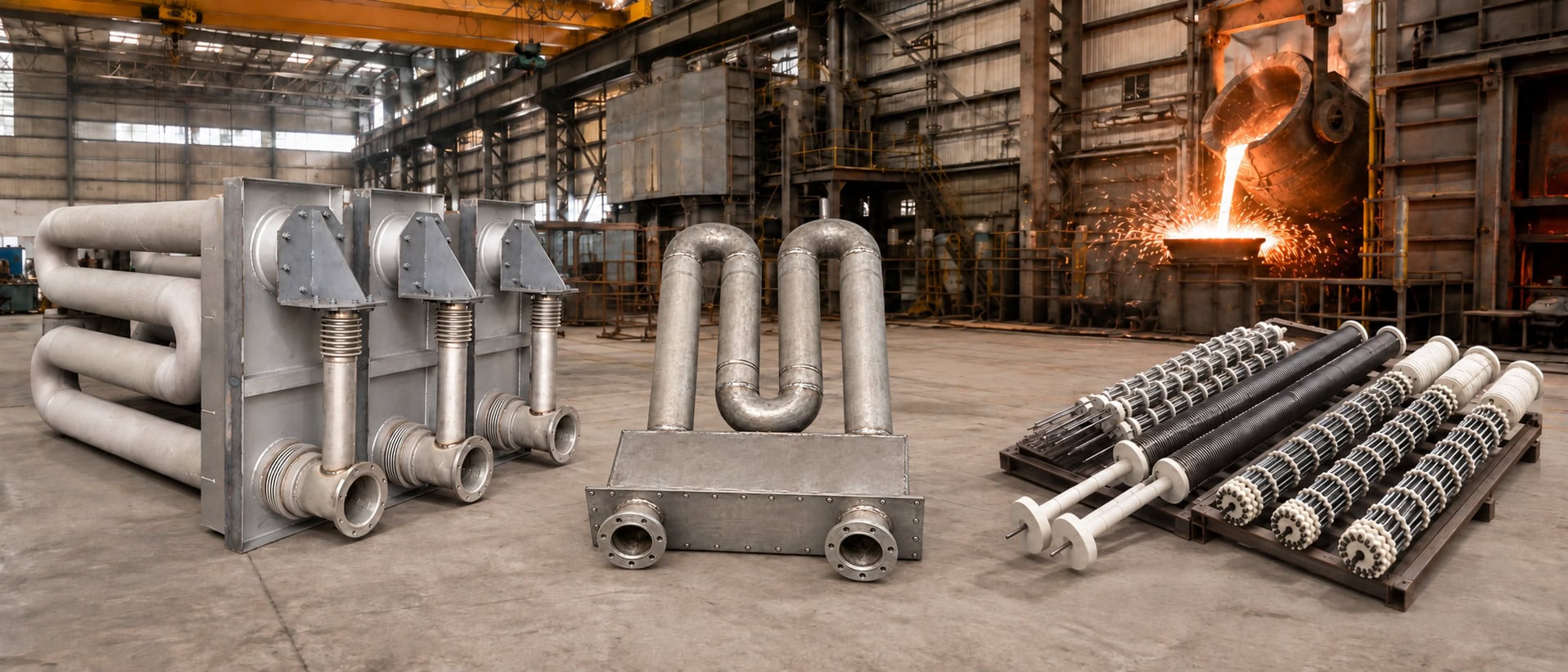
Which radiant tube configuration is required?
Common configurations include straight radiant tubes, U-type radiant tubes and W-type radiant tubes. The correct choice depends on the furnace chamber, burner position, tube support points and available installation space. A photograph of the existing hot zone is useful when the original drawing is unavailable.
- Straight tubes: reviewed for direct layouts with defined burner and support interfaces.
- U-type tubes: used where the return leg and compact installation geometry are part of the furnace design.
- W-type tubes: considered for multi-leg arrangements where heat distribution and installation space require a specific geometry.
Information required for a replacement quote
Include tube outside diameter, wall thickness, overall length, leg spacing, bend radius, burner connection, mounting flange, support points and any internal or external accessories. Also provide the furnace temperature profile, atmosphere, fuel or firing method, operating cycle and failure photographs.
Why the alloy cannot be selected from appearance
Radiant tubes experience oxidation, thermal fatigue and repeated heating and cooling. The appropriate heat-resistant alloy depends on the actual temperature, atmosphere, tube geometry, wall thickness, support condition and firing arrangement. ECOOSUN reviews alloy selection together with the drawing and service data.

Manufacturing and inspection questions to ask
Ask how the tube body and end details will be produced, machined and inspected. Typical inspection discussions include dimensions, wall thickness, surface condition, chemical composition, hardness where applicable and non-destructive testing according to the agreed specification. The quotation should clearly distinguish standard checks from project-specific requirements.
Reduce downtime with a complete RFQ
Send the existing tube, drawing or sample photographs together with furnace information and required quantity. ECOOSUN can review straight, U-type, W-type and other custom radiant tube configurations for heat treatment furnaces. See the radiant tubes product page, compare related furnace internals, and use the Contact Us page to request a custom quotation.
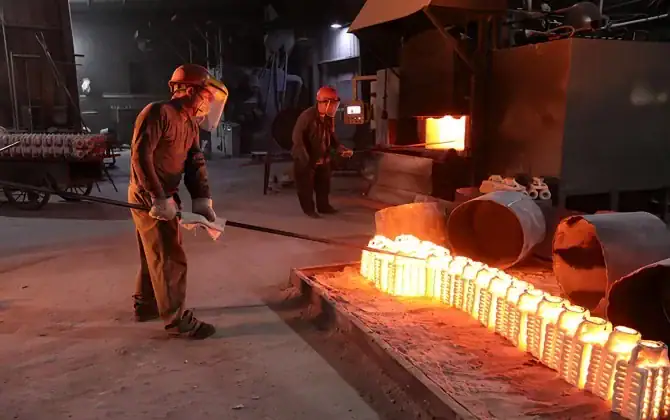
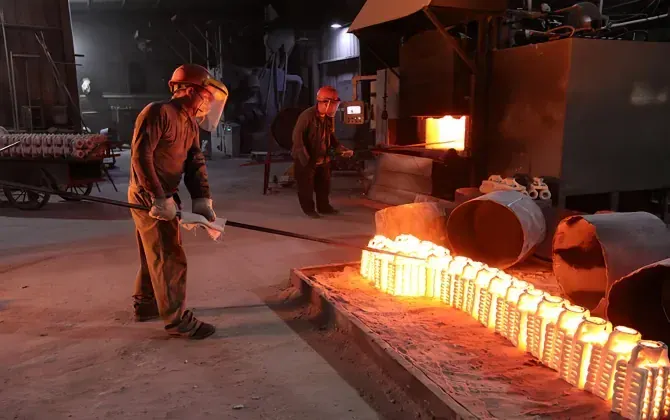
Production context: The component reference should be read together with the manufacturing and inspection context behind the furnace application.

FAQ
What should a buyer confirm for a radiant tube requirement?
Confirm the drawing or used sample, key dimensions and interfaces, furnace type and clearance, load, operating cycle, failure evidence and inspection requirements. Final acceptance criteria should be agreed for the specific project.
Can ECOOSUN review a custom radiant tube requirement?
Yes. ECOOSUN can review a customer drawing or used sample and discuss casting, laboratory and inspection requirements for a custom furnace-component project. Suitability and final scope are confirmed from the supplied information.
Related Radiant Tube Resources
Use these technical guides when specifying, inspecting or replacing radiant tubes for an industrial furnace:
- Radiant Tubes for Annealing and Heat-Treatment Furnaces
- Straight, U-Type or W-Type Radiant Tubes
- Radiant Tube Failure: Cracking, Sagging and Oxidation
- Radiant Tube Installation and Connection Inspection Guide
- Industrial Furnace Radiant Tubes: Material and Service Life
Related ECOOSUN Products
Information for a Faster Quotation
Provide alloy grade or service conditions, straight/U/W form, tube dimensions, burner and connection details, operating temperature, furnace zone, quantity, drawing or used sample, and inspection requirements.
Request a Custom Quote · Send Your Drawing · WhatsApp ECOOSUN

 +44 7419 144346