
Direct answer
A radiant-tube thermal-fatigue investigation needs more than a photograph of a crack. Record the crack location and direction, tube orientation, supports, connections, clearance, start-up and shutdown history, operating atmosphere, and the condition of the physical sample. Compare the damage with the drawing and installation arrangement. Thermal fatigue may be one hypothesis, but restraint, contact, geometry, handling, or another operating change can produce similar observations.
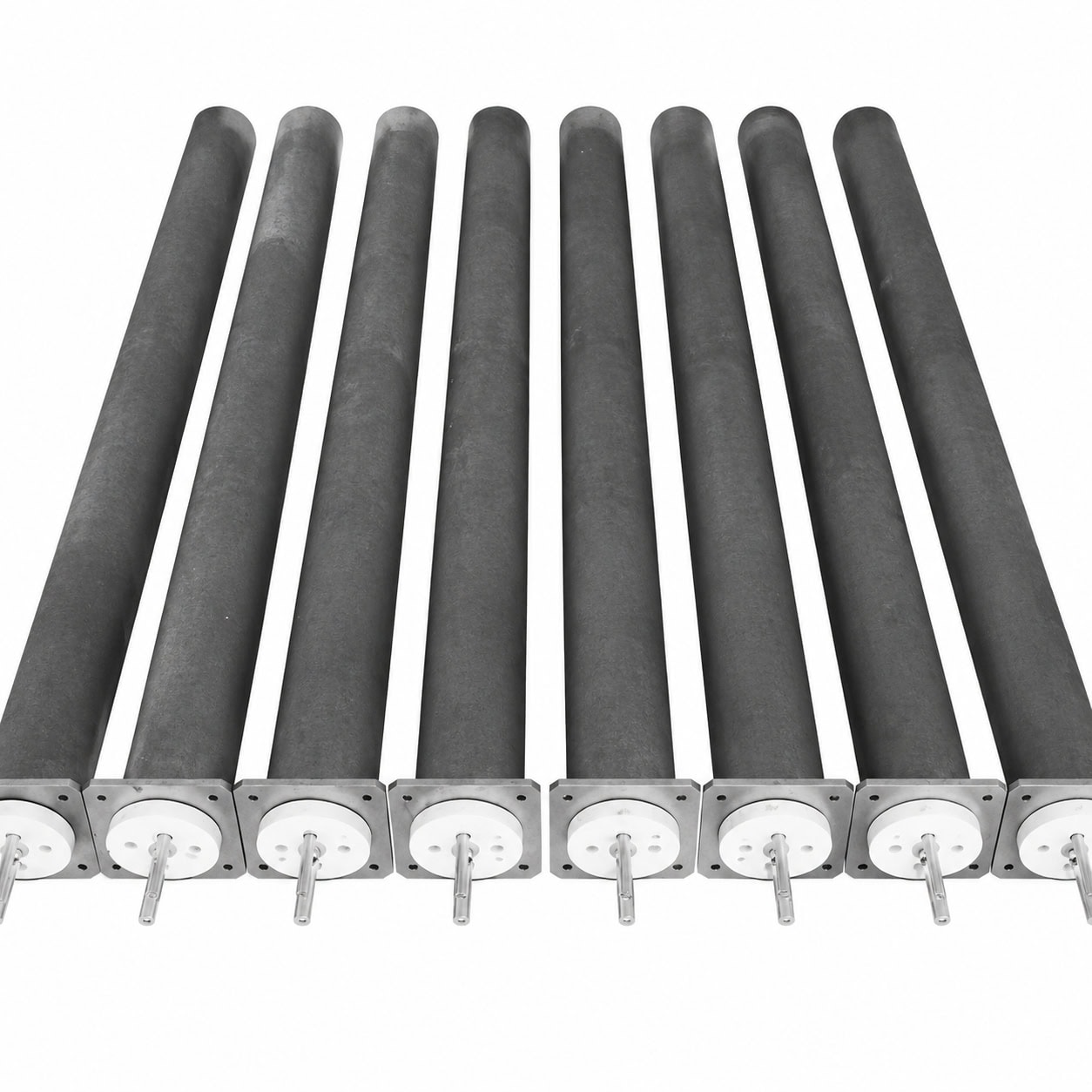
Map the crack and surrounding condition
Photograph the whole tube first, then close-ups with a scale. Mark the burner or connection end, support locations, furnace side, and crack direction. Record bulging, thinning, oxidation, impact, rubbing, deposits, and repair marks separately. If the crack is cut out, preserve the removed piece and label its orientation.
Reconstruct the cycle and restraint
Collect the available start-up, shutdown, interruption, and maintenance history. Note changes in burner, atmosphere, support, refractory, or neighboring parts. Check whether the tube had freedom to move as intended or was held by a tight support or connection. Missing operating history is an uncertainty to state openly.
Compare design and installation
Use the current drawing to check wall geometry, bends, ends, supports, and clearance. Compare measured installed positions rather than assuming that the drawing represents the current furnace. The location of repeated contact or cracks near a support can guide the next inspection, but it does not independently establish the cause.
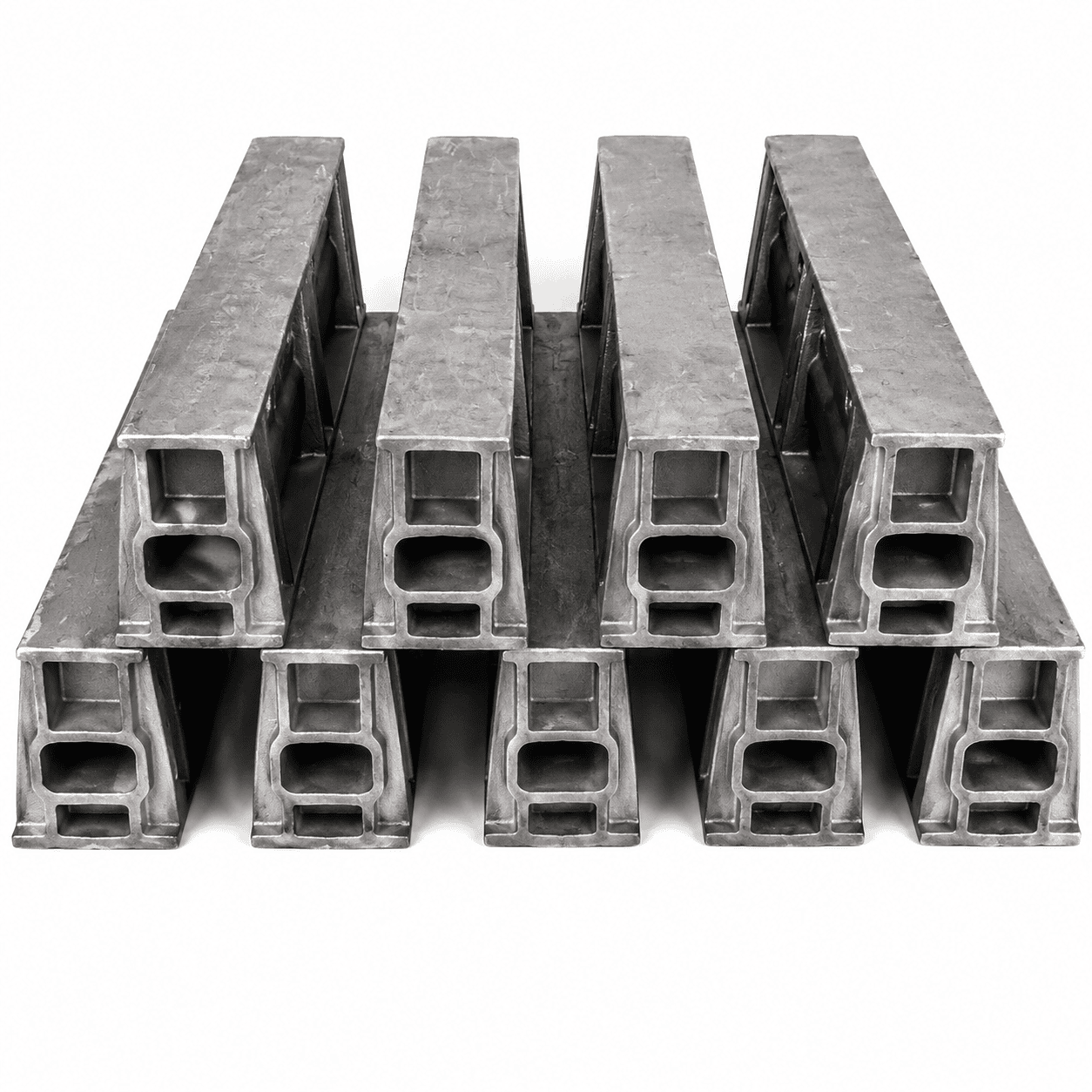
How ECOOSUN can help
ECOOSUN can review a failed tube, drawing, operating information, engineering requirements, and inspection requirements as a custom casting enquiry. See Radiant Tubes or send the evidence through contact-us.
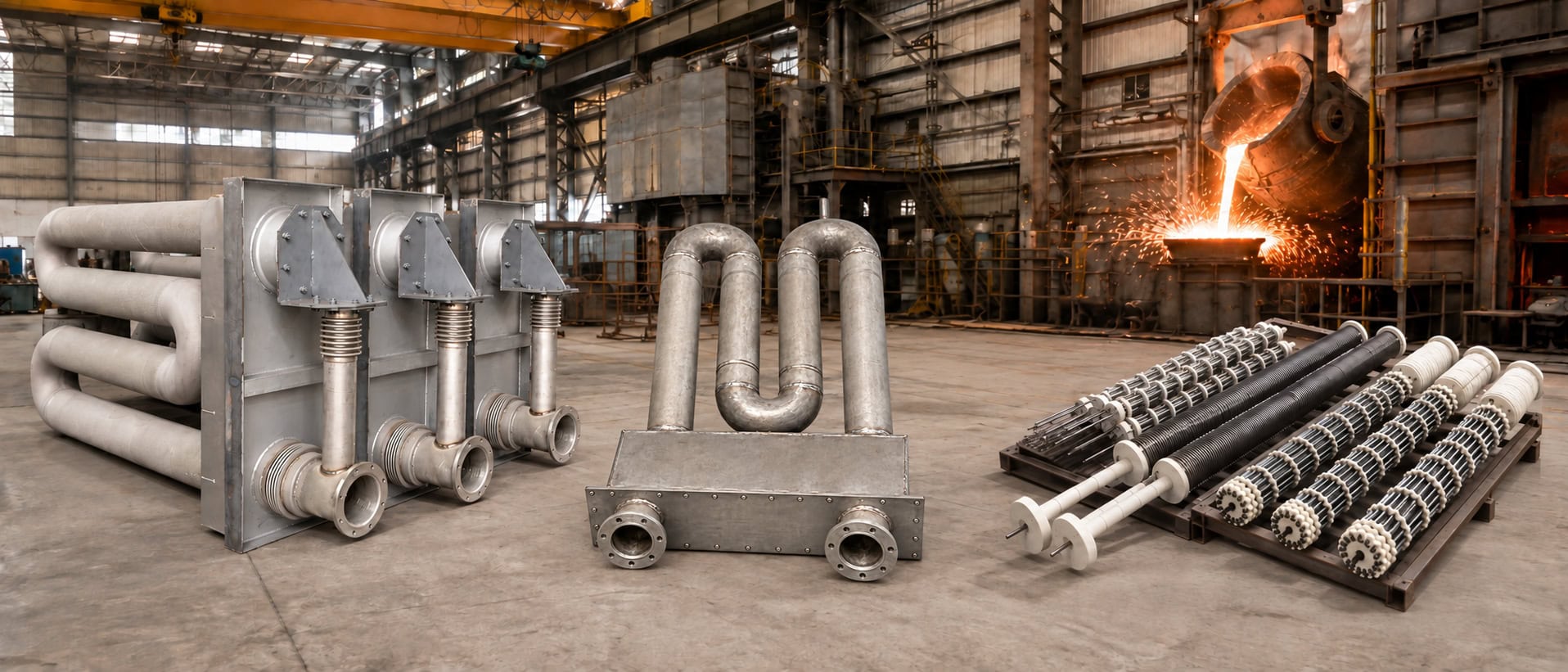
FAQ
What should a buyer confirm for a radiant tube requirement?
Confirm the drawing or used sample, key dimensions and interfaces, furnace type and clearance, load, operating cycle, failure evidence and inspection requirements. Final acceptance criteria should be agreed for the specific project.
Can ECOOSUN review a custom radiant tube requirement?
Yes. ECOOSUN can review a customer drawing or used sample and discuss casting, laboratory and inspection requirements for a custom furnace-component project. Suitability and final scope are confirmed from the supplied information.
Related Radiant Tube Resources
Use these technical guides when specifying, inspecting or replacing radiant tubes for an industrial furnace:
- Radiant Tubes for Annealing and Heat-Treatment Furnaces
- Straight, U-Type or W-Type Radiant Tubes
- Radiant Tube Failure: Cracking, Sagging and Oxidation
- Radiant Tube Installation and Connection Inspection Guide
- Industrial Furnace Radiant Tubes: Material and Service Life
Related ECOOSUN Products
Information for a Faster Quotation
Provide alloy grade or service conditions, straight/U/W form, tube dimensions, burner and connection details, operating temperature, furnace zone, quantity, drawing or used sample, and inspection requirements.
Request a Custom Quote · Send Your Drawing · WhatsApp ECOOSUN

 +44 7419 144346